

Sewing Equipment: Essential Tools for Stitching Excellence
Optimizing Apparel Production with High-Speed Automatic Technology and Precision Gear
Comprehensive Guide to Sewing Equipment:
Types, Quality & Trends
Sewing equipment is the backbone of the textile and fashion industry, as well as a beloved companion for hobbyists and crafters. From simple hand tools to advanced computerized machines, these tools enable the creation of clothing, home textiles, accessories, and even industrial products, blending functionality with creativity. Whether you’re a professional tailor, a small business owner, or a DIY enthusiast, choosing the right sewing equipment is key to achieving precise, efficient, and high-quality results.
Types of Sewing Equipment
Sewing equipment can be divided into two main categories: hand sewing tools and machine sewing equipment, each serving different purposes and catering to various skill levels.
1. Hand Sewing Tools
Hand sewing tools are the most basic and portable options, ideal for small repairs, delicate work, or situations where a machine is unavailable. Common hand sewing tools include:
- Needles: Available in different sizes and types (e.g., sharp needles for woven fabrics, ballpoint needles for knits) to suit various materials. They feature an eye for threading and a pointed tip for piercing fabric.
- Thread: Made from materials like cotton, polyester, nylon, or silk, thread comes in a wide range of colors and weights. The choice of thread depends on the fabric type—for example, polyester thread is durable and suitable for most everyday fabrics, while silk thread is ideal for delicate garments.
- Thimbles: A protective tool worn on the finger to push the needle through thick fabric, preventing pricks and reducing hand fatigue.
- Scissors and Shears: Fabric scissors (with sharp, bent blades) are designed to cut fabric cleanly without fraying, while small embroidery scissors are used for trimming thread ends.
- Measuring Tools: Tape measures for taking body or fabric measurements, rulers for straight lines, and seam gauges for ensuring consistent seam allowances.
2. Machine Sewing Equipment
Machine sewing equipment ranges from simple domestic models to advanced industrial machines, designed to increase efficiency and precision. The most common types include:
- Domestic Sewing Machines: Perfect for home use, hobbyists, and small-scale projects. These machines are compact, easy to operate, and offer basic stitches (straight, zigzag) as well as decorative stitches. Some modern domestic models also include features like automatic threaders, needle position adjustment, and built-in buttonhole makers.
- Industrial Sewing Machines: Built for heavy-duty use in factories and workshops, these machines are faster, more durable, and specialized for specific tasks. Examples include lockstitch machines (for strong, permanent seams), overlock machines (for finishing fabric edges to prevent fraying), and coverstitch machines (for professional hems on knits).
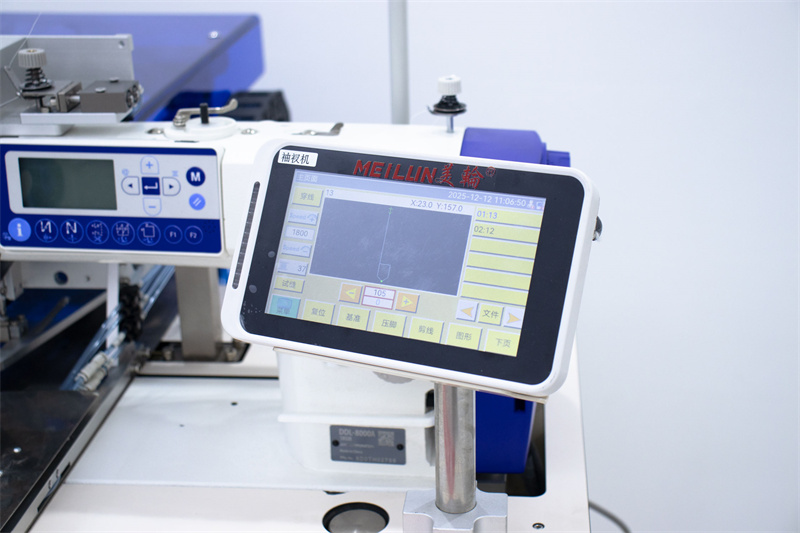
- Computerized Sewing Machines: A blend of technology and functionality, these machines feature digital displays, pre-programmed stitches, and even USB connectivity for downloading custom designs. They are ideal for intricate embroidery, quilting, and detailed garment construction, making complex projects more accessible.
- Specialized Sewing Machines: Designed for specific applications, such as quilting machines (with extended tables for large quilts), embroidery machines (for adding decorative patterns to fabric), and sergers (for creating clean, professional edges on clothing).
The Importance of Quality Sewing Equipment
High-quality sewing equipment not only improves the efficiency of the sewing process but also enhances the final product’s appearance and durability. For professionals, reliable machines reduce downtime and ensure consistent results, which is crucial for meeting customer demands. For hobbyists, user-friendly equipment makes sewing more enjoyable and less frustrating, encouraging creativity and skill development.
Choosing the right equipment also depends on the type of project. For example, sewing heavy fabrics like denim or leather requires a machine with a powerful motor and sturdy construction, while delicate fabrics like silk or lace need a machine with adjustable stitch length and a gentle feed mechanism to avoid damaging the material.
Trends in Sewing Equipment
The sewing equipment industry is constantly evolving, driven by technological advancements and changing consumer needs. One key trend is the integration of smart technology—many modern machines now offer Wi-Fi connectivity, touchscreen displays, and compatibility with mobile apps, allowing users to control settings, access tutorials, and download new stitches remotely.
Another trend is the focus on sustainability. Manufacturers are developing eco-friendly sewing equipment, using recycled materials in production and designing machines that are energy-efficient. Additionally, there is a growing demand for compact, portable machines that cater to the rising number of home-based sewers and crafters.


 +8615018432001


Leave a message
Name*
*Phone*
*Info*
*