

Revolutionize Your Garment Line: How Smart Automation Solves the Trouser Slant Pocket Bottleneck 👖
From Manual Strain to Precision Speed: A Story of Factory Transformation with Automatic Slant Pocket
✂️ Revolutionize Your Garment Line: How Smart Automation Solves the Trouser Slant Pocket Bottleneck 👖
From Manual Strain to Precision Speed: A Story of Factory Transformation with Automatic Slant Pocket Sewing Machines
The Silent Crisis on the Production Floor 🏭
Meet David, a mid-sized garment factory owner who was losing sleep over a persistent headache: trouser slant pockets. In formal trousers and casual pants alike, the slant pocket is a defining feature. It dictates the overall elegance and fit of the garment. However, in David’s factory, it was also the ultimate bottleneck.
Every morning, skilled operators would hunch over traditional sewing machines, painstakingly folding, aligning, and stitching pocket facings by hand. The margin for error was razor-thin. A slight misalignment by a tired worker meant a crooked pocket mouth, resulting in awkward fabric bunching or outright rejection during quality control. "Finding experienced sewing masters is getting harder, and manual inconsistency is eating into our profit margins," David lamented during a production review meeting.
The Turning Point: Embracing Automatic Slant Pocket Technology ⚡
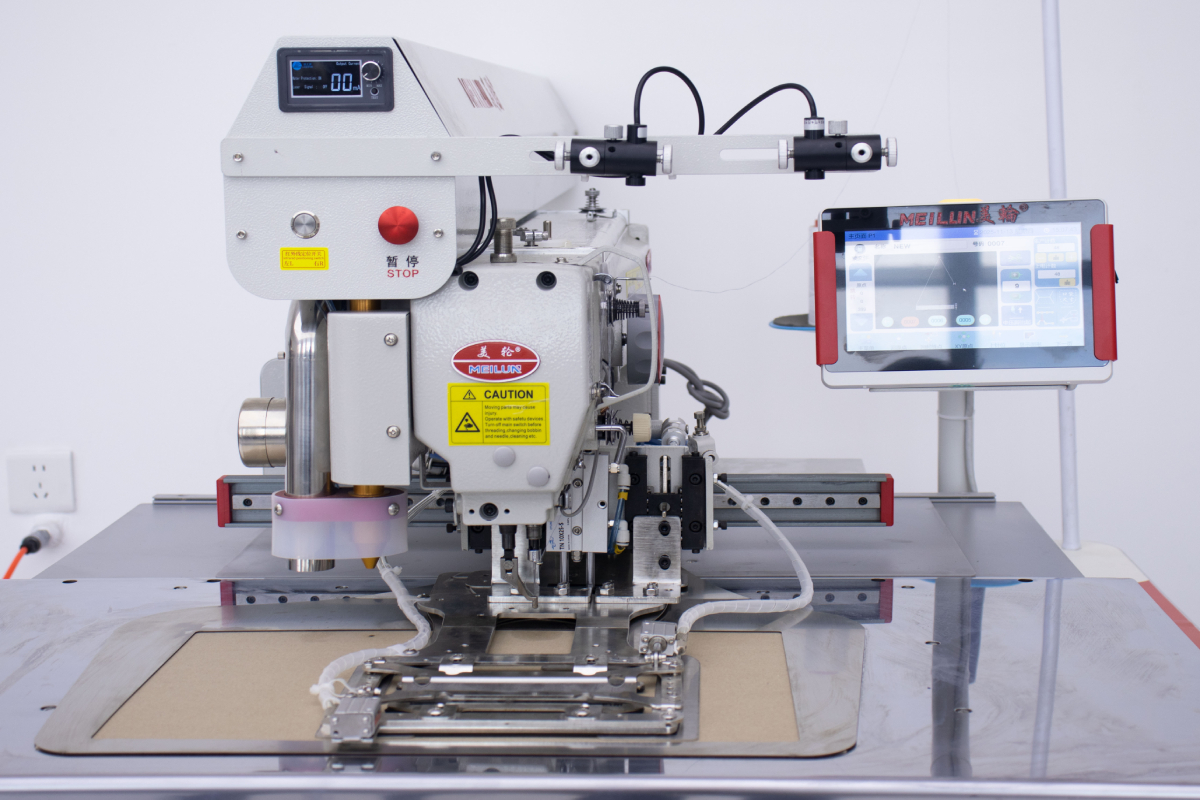
Determined to break the cycle, David explored modern automated garment solutions and integrated the advanced Slant Pocket Sewing Machine for Trousers into his production line. The change was nothing short of miraculous.
Instead of relying heavily on manual dexterity, the automated workstation took over the heavy lifting:
- Intelligent Fabric Feeding: Servo motor control systems ensure precise material transport, handling diverse apparel fabrics seamlessly without distortion.
- Seamless Automated Workflow: From folding and accurate positioning to consistent stitch delivery and thread trimming, the entire cycle runs like clockwork.
Flexible Multi-Style Adaptation: Easily handles both vertical and slant pockets for suit pants, formal trousers, and casual wear with quick gap-width and sensor adjustments.
The Numbers Don’t Lie: Triple Productivity, Zero Stress 📈
Within weeks of deployment, David noticed a dramatic transformation across the factory floor:
| Performance Metric | Traditional Manual Sewing | Automated Slant Pocket Machine |
|---|---|---|
| Operator Skill Requirement | High (Experienced master required) | Low (One-touch simple operation) |
| Daily Output (per unit) | Slow & inconsistent pacing | High-speed stable mass output |
| Defect & Reject Rate | Prone to human error & fatigue | Uniform precision, minimal waste |
One single operator could now oversee the production equivalent of multiple traditional workers, completely eliminating bottlenecks and drastically cutting down delivery lead times for global buyers.
Future-Proof Your Apparel Manufacturing Today 🌐
David’s story is a reflection of the modern garment industry. To stay competitive in exporting apparel globally, factories must transition from labor-intensive bottlenecks to smart automated workstations. Automatic sewing equipment for all apparel types—especially specialized trouser pocket units—empowers manufacturers to scale faster, cut labor overheads, and guarantee pristine product quality.
💡 Ready to upgrade your production line? Discover how intelligent automated sewing solutions can transform your factory efficiency today. Reach out to explore custom machine configurations for your specific apparel manufacturing needs!


 +8615018432001


Leave a message
Name*
*Phone*
*Info*
*